
The North Pole Journal · Christmas Ideas
Christmas traditions to start with your family
Create a few repeatable moments of connection without turning December into another list of jobs.
By the North Pole Tracker team · November 9, 2026 · 7 min read
If you are looking for Christmas traditions to start with your family, begin with what your household already enjoys. A quiet breakfast, a silly story or a walk to see lights can become a familiar seasonal ritual when you repeat it with intention. You do not need matching outfits, a full calendar or a picture-perfect home. You need something manageable that gives everyone a chance to feel included.
The most useful starting point is one small tradition, not a whole new December routine. Choose an activity that fits an ordinary day, decide roughly when it will happen and leave room for tired children, changing plans and different family arrangements. The ideas below include practical steps, supply lists and ways to adapt them. Try one this year; keep it only if it brings more connection than pressure.
Choose Christmas traditions to start with your family that fit real life
Before choosing an activity, ask three questions: How much time can we comfortably give it? What can we use that we already own? What would each person actually enjoy? A tradition that needs ten quiet minutes may suit your family better than an afternoon outing. Choose for the household you have, rather than an imagined version with unlimited energy.
Offer children two realistic options instead of asking them to design the entire celebration. You might ask whether they would prefer a festive breakfast or an evening story. Adults can set the time and spending limits while children help choose the details. For babies and toddlers, keep the ritual short and familiar; watching, listening or cuddling counts as participation.
Agree on a smallest version that still counts. If your usual lights walk cannot happen, looking at decorations through the window can preserve the shared pause. A tradition should be an invitation, not a test.
- Time: Allow ten minutes to choose one activity and put it on the family calendar.
- Supplies: A scrap of paper and a pen, or a shared note you already use.
- Budget: Start with a no-spend version using existing food, decorations and household materials.
- Make it repeatable: Attach the activity to a familiar cue, such as the first relaxed weekend breakfast in December.
Make an ordinary breakfast feel like a yearly occasion
A Christmas breakfast tradition does not require a special menu. Serve something your family normally eats, clear a little space at the table and add one repeatable detail. That might be the same seasonal song, a paper star beside each place or a question everyone answers while eating. The familiar detail is what connects one year to the next.
Try asking, “What is one thing you hope we do together this Christmas?” Keep answers separate from gift requests so the conversation focuses on shared time. Write down one manageable suggestion and decide when you might try it. If mornings are rushed, move the entire idea to lunch or an afternoon snack.
Toddlers can choose between two songs, younger children can arrange napkins, and older children can help prepare food they already know how to make. Adults should supervise anything involving heat or sharp tools. Consider allergies and dietary needs, and cut food appropriately for each child's age and eating abilities.
- Time: Add five to ten minutes to a meal you were already planning.
- Supplies: Your usual breakfast ingredients, tableware and optional paper decorations.
- Budget: Keep the normal menu; the shared ritual matters more than special ingredients.
- Low-energy version: Ask the family question over toast without changing anything else.
Create a Christmas memory envelope
Instead of producing a polished scrapbook, keep one envelope of small memories each year. Label it with the year and invite everyone to contribute a drawing, a short note or an answer to the same question. Useful prompts include “What made you laugh?” and “What would you like to remember about this Christmas?”
Let adults write down a young child's words without correcting the funny phrasing. Older children may prefer to write privately, and teenagers should be able to decide whether their contributions are read aloud. A child who does not enjoy writing could describe a memory for someone else to record or choose a piece of paper to decorate.
Open the previous envelope before making the next one, if that feels comfortable. Memories can be tender after bereavement, separation or a difficult year, so never require a cheerful answer. “This year was hard, and we liked our quiet movie afternoon” belongs in the family record too.
- Time: Ten to twenty minutes, with no need to finish every contribution at once.
- Supplies: An envelope or folded sheet of paper, scrap paper and pencils or crayons.
- Budget: Reuse materials rather than buying a dedicated album.
- Storage: Keep envelopes together with seasonal decorations, away from damp and heat.
A tradition should be an invitation, not a test.
Plan a short lights walk with an indoor alternative
Choose a short, familiar route and give your outing a simple purpose: each person looks for a favourite colour, an unusual decoration or a window that makes them smile. Avoid turning it into a competition between neighbours. You are noticing the season together, not judging how much anyone has spent.
Check the weather and route before leaving. Adults should supervise children outdoors in the dark, stay close near roads and driveways, and use suitable visibility aids and a light where needed. Wear weather-appropriate clothing and footwear, remain on public paths and respect residents' privacy. Choose a route that works for pushchairs, mobility aids and everyone's stamina.
Build in permission to turn back early. Bright displays, crowds or unfamiliar sounds may feel overwhelming for some children. A quieter route, an earlier outing or a view from home may be more comfortable. If going outside is not practical, draw imaginary decorated houses together and let each person explain one detail.
- Time: Aim for fifteen to thirty minutes, or less for younger children.
- Supplies: Appropriate outdoor clothing and a light for a dark route.
- Budget: Use a nearby route without admission costs or a required food stop.
- Repeatable detail: Finish by sharing one thing each person noticed, whether outdoors or at home.
Turn a small act of kindness into a shared ritual
A kindness tradition works best when it responds to a real need and respects the person receiving it. Ask a relative whether they would appreciate a phone call, offer a neighbour a specific manageable task or write a sincere thank-you note to someone who has helped your household. Giving does not have to involve buying something.
If you choose to donate items, check the receiving organisation's current guidance first. Do not assume that every group accepts homemade food, used toys or the same supplies. Let children help within clear boundaries, and avoid pressuring them to surrender treasured belongings. Adults can explain that kindness includes listening to what people actually want.
Keep the recipient's dignity central. There is no need to photograph someone receiving help or share their circumstances publicly. Younger children can dictate a message or draw a picture; older children can help plan an appropriate task. Adults should manage contact with unfamiliar people and supervise any activity involving sharp tools, heat or outdoor work.
- Time: Ten minutes for a note or call; agree on a limit before taking on a larger task.
- Supplies: Paper and a pencil, or whatever is genuinely needed for the agreed task.
- Budget: Choose a time-based gesture if spending would add pressure.
- Closing question: Ask, “Did we listen to what would be helpful?” rather than focusing only on how giving made you feel.
Share a Christmas story that everyone can shape
Choose a comfortable place and begin a short story together. You could imagine a lost mitten finding its way home, a reindeer learning to ask for help or a family preparing a cosy Christmas evening. Each person adds one sentence, while anyone who prefers listening can pass. End before the activity becomes a struggle.
If Santa is part of your family's celebrations, a pretend journey can become the story's framework. Santa tracking is a fun, fictional story, not a real-time account of someone's location. You might invent a snowy stop, a kindness mission or a weather problem the characters solve together. Keep the game playful rather than using it to monitor behaviour or encourage obedience.
For toddlers, repeat a simple phrase and invite an animal sound. Older children can introduce a character or draw a scene afterward. Families who do not include Santa can use winter animals, family memories or another seasonal theme. Avoid suggesting that anyone must fall asleep immediately to make Christmas happen.
- Time: Five to fifteen minutes, ideally before children are overtired.
- Supplies: None; optional paper and crayons for an illustrated ending.
- Budget: No spending needed.
- Repeatable detail: Begin with the same opening sentence each year, then let the story change.
Frequently asked questions
What are easy Christmas traditions for toddlers?
Choose short activities with one familiar action: singing a song at breakfast, drawing on the annual memory page or spotting lights from a window. Five minutes may be enough. Skip small decorative parts that could be choking hazards, and provide close adult supervision if small parts are used.
How many Christmas traditions should a family have?
There is no required number. Start with one and notice how it feels. If it becomes another deadline, simplify it or stop. A single ritual that people enjoy is more useful than several activities everyone feels obliged to complete.
How can we keep Christmas traditions with shared custody?
Tie the activity to being together rather than a fixed date. Your Christmas breakfast can happen on the morning that works for your household. Avoid making children compare celebrations or carry supplies between homes; each home can have its own meaningful rhythm.
What if older children do not want to join in?
Ask which parts they still enjoy and offer a genuine choice of role. They might select music, contribute one story sentence or simply sit nearby. Respect a refusal without teasing. Traditions can change as children grow while preserving the chance to spend time together.
The best Christmas traditions to start with your family are the ones you can repeat without stretching your time, energy or budget beyond comfort. Pick one small idea, give everyone a flexible way to participate and decide what its simplest version looks like. Afterward, ask whether it felt good enough to try again. Keep what connects you, adapt what needs changing and let the rest go.
Make this Christmas unforgettable
Turn These Ideas Into Christmas Memories
Our two family paperbacks are packed with ready-to-go Christmas activities, crafts, trivia and games — no planning required.
Paperback books sold on Amazon
More Christmas Fun for the Whole Family
Grab these festive paperback books on Amazon.
100 Christmas Activities to Do With Your Family
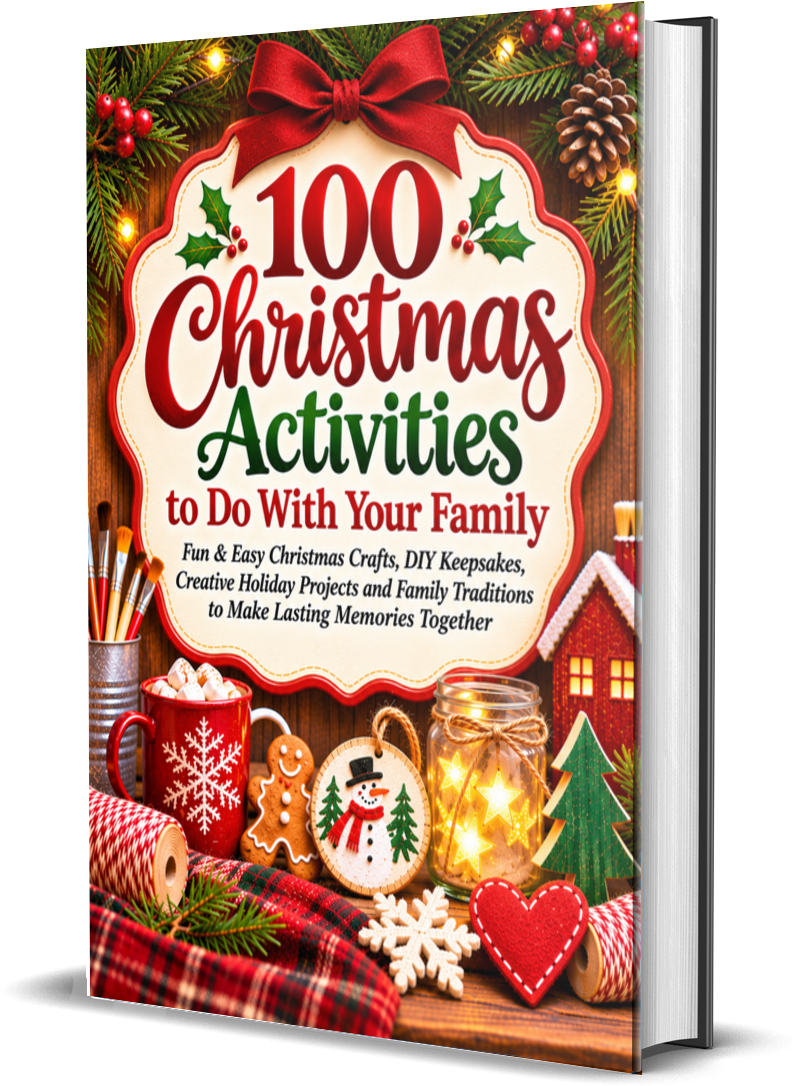 Grab the Paperback Copy
The Ultimate Christmas Family Game Book
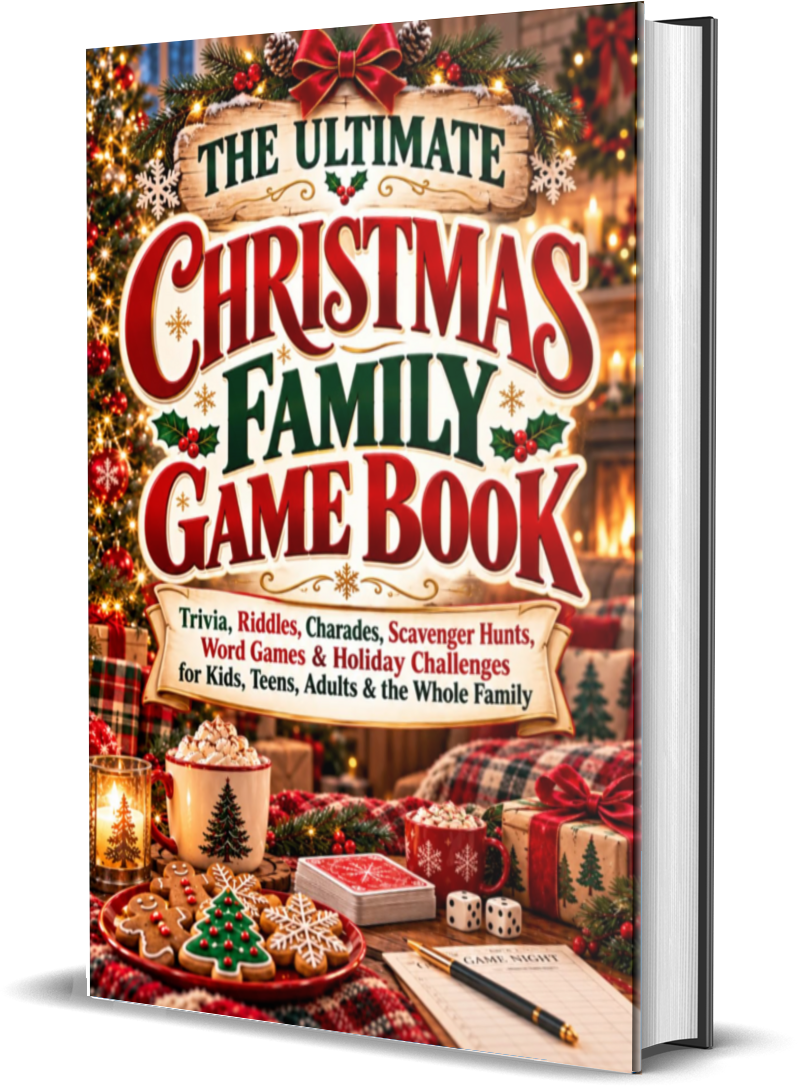 Grab the Paperback Copy
Separate from our digital PDF downloads. Paperback ordering and delivery are handled through Amazon, not your North Pole account.