
The North Pole Journal · Christmas Ideas
Christmas activities for families: Simple, cozy ideas
Six low-pressure ways to spend festive time together, using familiar supplies and leaving plenty of room for real family life.
By the North Pole Tracker team · November 7, 2026 · 8 min read
The best Christmas activities for families are often the ones you can start without a shopping trip or a complicated set of instructions. A paper decoration, a shared story, or a slow walk to see the lights can turn an ordinary afternoon into something worth remembering. The aim is not to fill every hour of December; it is to find a few moments that feel good together.
Choose from the ideas below according to your energy, space, and children’s interests. Each includes a practical starting point, age adjustments, and a realistic time window. Most can use things you already have, and none needs a picture-perfect result. If an activity lasts ten happy minutes instead of thirty, it has still done its job.
1. Make Christmas activities for families easy to choose
Before setting up an activity, offer two manageable choices: “Would you rather make decorations or tell a Christmas story?” A short menu gives children a say without asking them to design the whole afternoon. Adults can quietly rule out anything that requires unavailable supplies, too much cleanup, or more energy than the household has.
Create a small activity envelope with four handwritten ideas. Include one quiet option, one movement option, one creative option, and one way to help someone. Keep it somewhere accessible rather than turning it into a daily obligation. A useful rule is that anyone may watch, take a break, or join later.
Set aside about ten minutes to prepare the envelope. There is no extra cost if you reuse paper. For younger children, draw simple pictures beside the words; older children can suggest ideas within an agreed time and spending limit.
- Gather scrap paper, a pencil, and an envelope or folded sheet of paper.
- Write options such as paper decorations, a living-room parade, a story circle, and a thank-you note.
- Choose a clear stopping point before starting: one decoration each, one story, or three songs.
- Keep a quiet alternative nearby, such as drawing, for anyone who finds group activity overwhelming.
2. Turn scrap paper into a family decoration workshop
Paper decorations work well because everyone can contribute at a different level. Set out clean scrap paper, pencils, washable coloring supplies, glue, and age-appropriate scissors. Plan for twenty to thirty minutes, including cleanup. Keep this a no-extra-spending project by using paper you already have rather than buying matching materials.
Try a family paper chain with a twist: each person draws or writes one thing they enjoyed this year on a strip before it becomes a link. The answers can be wonderfully ordinary, from a playground visit to a funny dinner conversation. There is no need to insist on sentimental responses.
Adults should supervise scissors and any small craft parts; keep choking hazards away from children who mouth objects. Avoid beads and loose glitter if they add risk or cleanup. Display paper decorations away from candles, heaters, cooking areas, and exits, and do not hang loops where young children could become entangled.
- For preschoolers, prepare wide strips in advance and let them draw while an adult joins the links.
- For school-age children, demonstrate how to overlap and glue the ends, then let them choose the pattern.
- For older children, offer a design role: make a paper star, plan a color sequence, or arrange the display.
- Finish by giving everyone one cleanup job, such as collecting scraps or putting pencils away.
3. Make a festive snack together, without a big bake
A shared snack can provide the togetherness of baking without the measuring, oven timing, and mountain of dishes. Use familiar foods already available: toast triangles, soft fruit, yogurt, or sandwich pieces. Invite everyone to arrange a tree, star, or snowy scene on their own plate. Allow fifteen to twenty minutes, then sit down and eat together.
Check allergies and dietary needs before setting out ingredients. Wash hands, clean the work surface, and prepare food in shapes and textures appropriate for each child’s eating skills. Young children should sit upright and be supervised while eating; modify round or firm foods as needed to reduce choking risk.
Adults should handle sharp knives and supervise any heat source, including a toaster or oven. Young children can spread a soft topping with a suitable blunt utensil, arrange prepared ingredients, or count plates. Older children can read a familiar recipe if your family prefers baking, but keep the task small enough to finish comfortably.
- Supplies: plates, a clean preparation surface, suitable utensils, and a few familiar foods.
- Budget approach: use part of a planned snack or meal rather than buying decorative extras.
- Conversation starter: ask everyone to name their snack scene or invent a short story about it.
- Low-energy version: an adult prepares the food, and children spend five minutes arranging their plates.
Connection matters more than finishing the plan.
4. Take a gentle Christmas lights walk or window hunt
Looking for lights turns a short outing into an observation game. Choose a familiar route, check the weather, and plan for fifteen to thirty minutes rather than a long expedition. You do not need a famous display or a special destination. A few decorated windows can be enough, and an indoor window hunt is a useful alternative.
Make a verbal spotting list: something glowing, something shaped like a star, two different colors, and a decoration that makes someone smile. Avoid making speed or the number of finds the goal. Children can point, describe, or simply look. Respect neighbors’ privacy by staying on public paths and avoiding photographs through windows.
Children need adult supervision outdoors in the dark. Use appropriate lighting and visible clothing, stay together, and cross roads carefully. Check that the route suits any mobility needs and turn back if anyone becomes cold, tired, or unsettled. For some households, an early-evening look from the doorway will be the better choice.
- Bring weather-appropriate layers and a working flashlight when needed; skip any optional purchases.
- For younger children, look for just three things and keep the route short.
- For older children, invite them to remember the route or describe their favorite lighting pattern.
- Indoors, hunt for festive colors and shapes around your own home instead of relying on outdoor displays.
5. Build a Christmas story one sentence at a time
A story circle needs almost no preparation and suits a quiet evening. Sit somewhere comfortable and begin with an open-ended sentence: “On Christmas Eve, a tiny bell rang inside an empty mitten.” Each person adds one sentence. Passing is allowed, and an adult can help connect the ideas if the plot takes several unexpected turns.
If your family enjoys Santa stories, imagine his sleigh passing over invented places such as the Peppermint Mountains or Snowy Sock Island. Treat any Santa tracking as a fun, fictional storytelling game, not a real-time report. Children can draw the imagined route while someone narrates, keeping the activity rooted in shared make-believe.
Allow ten to twenty minutes and use only paper and pencils if drawing appeals. Preschoolers might contribute a sound or an animal; school-age children can introduce a problem to solve. Older children may enjoy narrating, adding dialogue, or creating a deliberately silly ending. Stop while the story is still fun rather than requiring a polished performance.
- Offer prompts when needed: Who needs help? What is inside the parcel? Where should the characters go next?
- For children who prefer not to speak in a group, accept a drawing or a whispered contribution.
- Give the ending a simple cue: announce that everyone has one final turn.
- Write down one favorite sentence afterward, if you want a small keepsake without recording the whole activity.
6. Share a small kindness, then close with a ritual
A kindness activity can be modest and specific: draw a thank-you card for someone you know, call a relative who welcomes calls, or help another household member with a manageable task. Ask what would actually be useful rather than assuming a surprise is wanted. Keep participation invitational, and avoid asking children to share private information or contact unfamiliar people.
Set aside fifteen minutes for a note or a helpful job, using materials already available. Younger children can dictate a message while an adult writes. Older children can choose sincere wording and help arrange delivery. Adults should oversee contact and delivery, including any outing, and supervise children outdoors after dark.
End with a tiny ritual that works after any of these activities: put supplies away together, sit for a moment, and ask, “What would you like to do again?” Nobody has to give a positive review. Their answers help you choose what fits next time. Connection matters more than finishing the plan.
- Make the task concrete: fold shared blankets, set the table, or write two thoughtful sentences.
- If donating items, ask the receiving organization what it currently accepts before gathering anything.
- Do not pressure children to give away treasured belongings; adults can model generosity with their own choices.
- Save one idea for another day rather than squeezing in a second activity when everyone is tired.
Frequently asked questions
What are easy Christmas activities to do at home?
Start with a paper chain, a shared snack, or a one-sentence-at-a-time story. Each can use familiar household supplies and fit into a short afternoon window. Choose one activity, prepare only what it needs, and include cleanup in the time available.
How can I entertain children of different ages at Christmas?
Give everyone a role within the same activity rather than expecting identical results. Younger children can draw or arrange prepared materials, while older children design, write, or narrate. Let older children participate for themselves rather than automatically making them responsible for younger siblings.
What can families do at Christmas without spending money?
Tell a festive story, look for lights on a familiar walking route, make decorations from scrap paper, or write a thank-you note. Check your existing supplies first. A shorter version using what you have is usually better than creating a shopping list.
How do I keep Christmas activities from becoming stressful?
Offer two choices, keep the first attempt short, and decide what can be skipped. Allow breaks and quiet participation. If children lose interest, finish without treating it as a failure; the activity may simply need a different time, pace, or format.
Choosing Christmas activities for families does not have to mean organizing a packed festive schedule. Pick one idea that suits the people and energy you have today, gather a few familiar supplies, and leave room to change course. A lopsided paper chain, an unexpected story ending, or a few minutes admiring lights can be enough. Keep what your household enjoys, let go of what it does not, and make togetherness easier to repeat.
Make this Christmas unforgettable
Turn These Ideas Into Christmas Memories
Our two family paperbacks are packed with ready-to-go Christmas activities, crafts, trivia and games — no planning required.
Paperback books sold on Amazon
More Christmas Fun for the Whole Family
Grab these festive paperback books on Amazon.
100 Christmas Activities to Do With Your Family
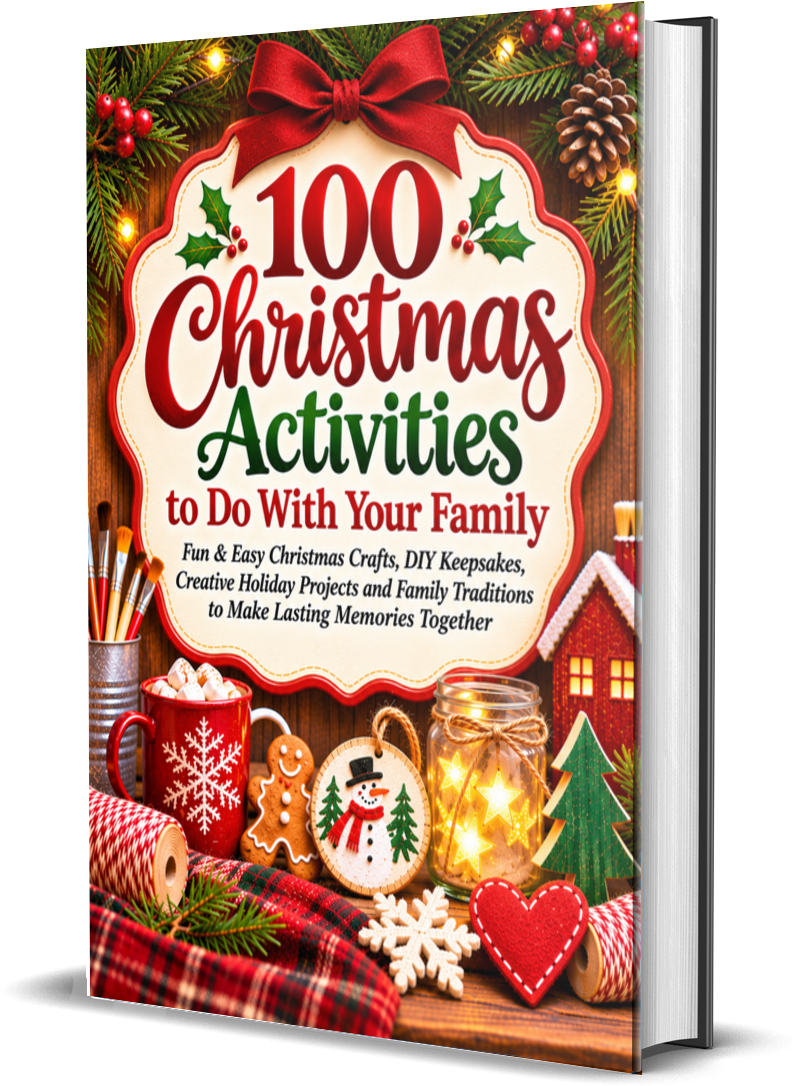 Grab the Paperback Copy
The Ultimate Christmas Family Game Book
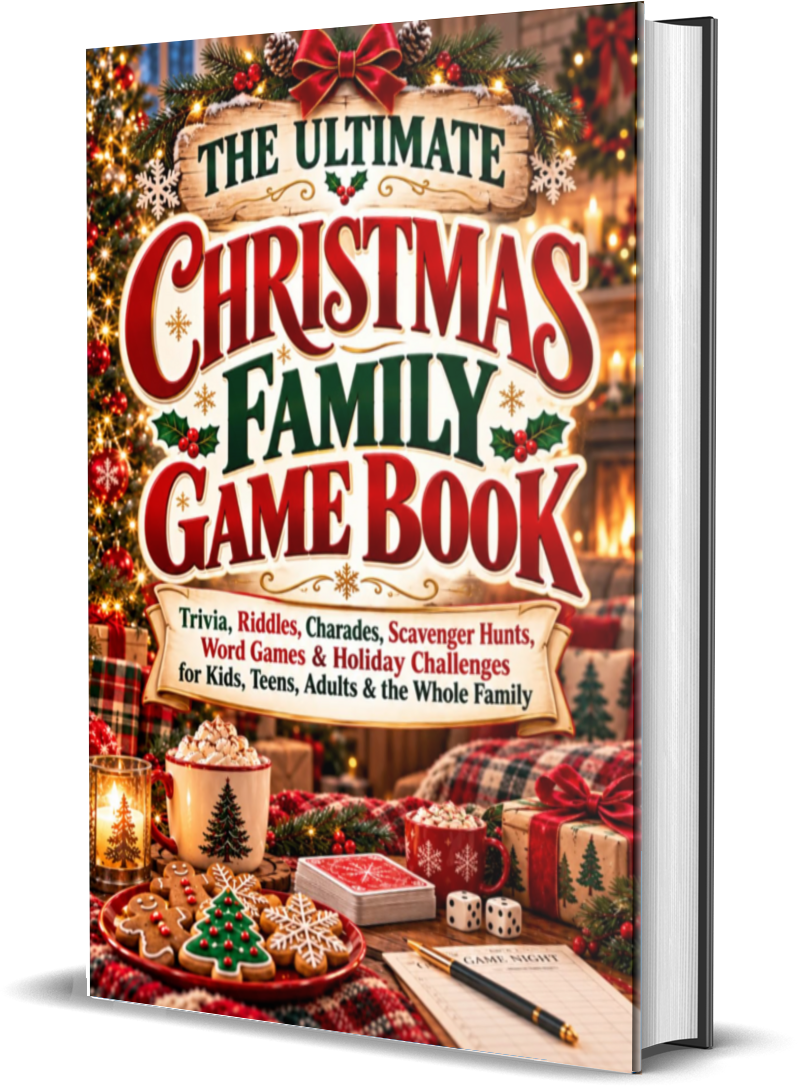 Grab the Paperback Copy
Separate from our digital PDF downloads. Paperback ordering and delivery are handled through Amazon, not your North Pole account.